



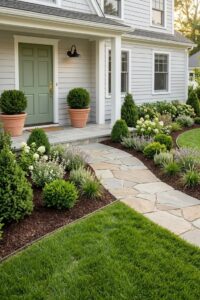
A well-planned garden is more than a collection of plants and decorative features. It should fit the way you live, the amount of time you have for maintenance, and the budget you are comfortable investing. For Dubai homeowners, thoughtful planning is particularly important because heat, sunlight, water requirements, and outdoor living habits can all influence the final design. The best garden landscaping ideas for Dubai homes focus on creating outdoor spaces that are attractive, practical, and suitable for everyday use.
Whether you have a compact residential garden or a larger outdoor area, careful planning can help you create a space that looks appealing while remaining easy to use. Before choosing plants, paving, lighting, or other features, consider how the garden will actually fit into your daily life.
Why Your Lifestyle Should Come First When Planning a Garden
The best garden is not necessarily the most elaborate one. It is the one that works for the people using it.
For example, a family with children may need open space for play, while someone who enjoys entertaining guests may prefer a larger seating area. If you have limited free time, a low-maintenance design may be more suitable than a garden that requires frequent attention.
Before making design decisions, think about your normal routine:
- Do you want the garden mainly for relaxing?
- Will you regularly entertain guests outdoors?
- Do children or pets need open areas?
- How much time can you realistically spend maintaining plants?
- Would you prefer greenery, shade, seating, or a combination?
- Do you expect to use the garden throughout the year?
Your answers can guide the layout, planting choices, materials, and features you eventually include.
Assess Your Garden Before Choosing a Landscaping Style
Before selecting a design, take a close look at the space you already have. Measure the available area and identify permanent features such as walls, entrances, existing trees, drainage points, and utility areas.
Also consider how sunlight moves through the garden during the day. Some areas may receive intense direct sunlight, while others may remain shaded for much of the day. Understanding these conditions can help you avoid choosing plants or materials that are poorly suited to their location.
When considering garden landscaping ideas for Dubai homes, local environmental conditions should be part of the planning process from the beginning.
How Do You Want to Use the Garden?
Divide the space according to its intended purpose. A single garden might include:
- A seating area for relaxation
- A dining or entertaining zone
- Planting beds
- A walkway
- An open area for children
- A shaded corner
Creating these zones can make an outdoor space feel more organized without requiring excessive decoration.
Set a Realistic Landscaping Budget
Your budget should influence the design from the beginning. Waiting until the end to consider costs can lead to difficult compromises or unfinished features.
Start by separating your priorities into three groups.
Essential: Irrigation, basic planting, access paths, drainage, and necessary ground preparation.
Important: Seating areas, shade structures, lighting, additional planting, and other features that improve everyday use.
Optional: Decorative water features, elaborate structures, premium materials, or specialized garden elements.
This approach allows you to spend more on features that genuinely improve how you use the garden.
Remember that installation is not the only expense. Plants need care, irrigation systems may require servicing, and some materials need occasional cleaning or maintenance. A slightly simpler design that remains affordable to maintain can be a better long-term choice than an expensive garden that becomes difficult to manage.
Choose a Garden Layout That Fits Your Daily Life
The layout should make movement through the garden easy and purposeful.
If you enjoy outdoor meals, position seating close enough to the house for convenient access. If relaxation is your priority, a quieter section with shade and greenery may be more appropriate.
For families, leave sufficient open space rather than filling every available area with decorative features. A garden does not need to be crowded to look complete.
If the existing space is difficult to organize, professional landscaping can provide useful planning support. A specialist can assess the available area and suggest ways to combine practical and decorative elements without making the garden feel unnecessarily busy.
Choose Plants That Suit Your Garden and Lifestyle
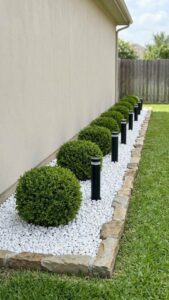
Plant selection should be based on more than appearance. Consider how much care each plant needs, how much sunlight it requires, and whether it is appropriate for the local environment.
In Dubai, heat and strong sunlight can make plant selection particularly important. Choosing species that are better suited to local growing conditions can help reduce unnecessary water use and maintenance.
If you travel frequently or have limited time for gardening, avoid creating a design that depends on constant attention. A carefully selected combination of plants can provide greenery and visual interest without creating excessive maintenance work.
This is why the best landscaping plans usually consider practicality alongside appearance. A beautiful garden becomes much more valuable when it also fits the owner’s available time and resources.
Decide Which Landscaping Features Are Worth the Investment
Not every garden needs every possible feature. Focus on elements that support your intended use of the space.
Lawns and Ground Cover
A lawn can create a soft, open area, but it may require considerable water and maintenance. Depending on your garden, alternative ground-cover solutions may provide a more practical result.
Consider how often the space will actually be used before dedicating a large portion of the garden to lawn.
Walkways and Paved Areas
Paths can improve movement around the garden and help define different zones. Choose materials that complement the property while also considering heat, durability, cleaning, and long-term use.
A well-positioned walkway can also protect planted areas from unnecessary foot traffic.
Seating and Outdoor Living Areas
A comfortable seating area can turn an unused part of the garden into a useful extension of your living space. Shade should also be considered, particularly for areas that will be used during warmer parts of the day.
Depending on your lifestyle, this could be a small seating corner or a larger area designed for outdoor dining and entertaining.
Garden Lighting
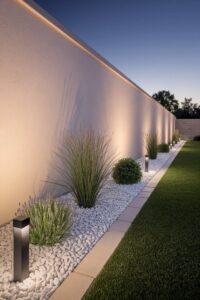
Lighting can improve visibility and allow outdoor areas to remain useful after sunset. Rather than illuminating everything equally, consider highlighting pathways, seating areas, entrances, or selected landscape features.
Subtle lighting can often create a more comfortable atmosphere than excessive illumination.
Water Features
Water features can add visual and sensory interest, but they also require installation, cleaning, and ongoing care. They should therefore be included because they genuinely suit your preferences and budget, not simply because they look impressive.
Irrigation Systems
Efficient irrigation can make garden maintenance easier and help deliver water where it is needed. A properly planned system should reflect the different watering requirements of the plants and the layout of the garden.
Good irrigation planning is particularly useful in Dubai, where water management can have a significant impact on ongoing garden care.
How to Balance Beauty and Maintenance
A beautiful garden should also be manageable.
One common mistake is designing an outdoor space based entirely on how it looks immediately after installation. Think about how the garden will appear six months or several years later.
A balanced design might combine attractive planting with practical pathways, appropriate irrigation, suitable lighting, and materials that do not require constant attention.
When considering outdoor landscaping, ask yourself not only, “Does this look good?” but also, “Can I realistically maintain it?”
That simple question can prevent many expensive decisions.
When Is Professional Landscaping Worth Considering?
Professional assistance can be particularly useful when you are unsure how to combine your ideas into one workable plan.
A professional landscaping company can help assess the space, consider environmental conditions, organize different garden zones, recommend suitable materials and plants, and develop a design that works within your budget.
For example, Goldscape for Landscape can help property owners think through the relationship between garden appearance, functionality, maintenance, and available space rather than treating each element separately.
Professional input can also be useful for larger projects where irrigation, lighting, hardscaping, planting, and outdoor living areas need to work together.
The goal should not simply be to add more features. It should be to create a garden where each feature has a practical purpose.
Common Garden Landscaping Planning Mistakes to Avoid
Several mistakes can make a garden more expensive or difficult to maintain:
- Choosing plants only because they look attractive
- Ignoring the amount of sunlight different areas receive
- Designing without considering irrigation
- Spending too much on decorative features while neglecting essential elements
- Filling every available area with plants or structures
- Forgetting future maintenance costs
- Copying another garden without considering your own lifestyle
- Choosing materials without thinking about long-term outdoor use
A garden should be designed around the property and the people using it—not simply copied from a photograph.
How to Create a Garden That Can Adapt Over Time
You do not necessarily need to complete everything at once.
If your budget is limited, consider creating a strong basic layout first and adding optional features later. For example, you might establish planting areas, pathways, irrigation, and a seating zone before introducing additional decorative elements.
This phased approach gives you flexibility and allows you to learn how you actually use the space before making further investments.
It can also make it easier to update the garden as your lifestyle changes. A family may eventually need more open space, while another homeowner may later decide to add an outdoor dining area or additional planting.
Planning with future changes in mind can make the original investment more useful over time.
A Practical Checklist for Planning Your Garden
Before starting your project, consider the following:
- Purpose: How will you use the garden?
- Space: What areas need to remain open?
- Climate: Which plants and materials suit the local conditions?
- Water: How will the garden be irrigated?
- Maintenance: How much time can you dedicate to upkeep?
- Budget: Which features are essential and which can wait?
- Comfort: Where will shade and seating be needed?
- Materials: Can your selected materials handle regular outdoor use?
- Future needs: Could your lifestyle or garden requirements change?
Working through these questions can give you a much clearer idea of what your garden actually needs before you begin spending on individual features.
Frequently Asked Questions
How much should I budget for landscaping a garden in Dubai?
The cost depends on factors such as garden size, materials, planting, irrigation, lighting, hardscaping, and the complexity of the design. It is better to establish your priorities first and then develop the project around your available budget.
What type of garden is easiest to maintain in Dubai?
Gardens using plants suited to the local climate, efficient irrigation, durable materials, and practical layouts can generally be easier to maintain. Your available time should also influence plant and feature selection.
How do I choose the best landscaping design for my lifestyle?
Start with how you intend to use the garden. Consider whether you prioritize entertaining, relaxing, children’s activities, greenery, privacy, or low maintenance. The design should support those priorities rather than simply follow a particular style.
Which plants are suitable for gardens in Dubai?
Plant suitability depends on factors such as sunlight, soil conditions, water availability, and the specific location within the garden. Plants should be selected according to their environmental requirements rather than appearance alone.
How can I reduce garden maintenance costs?
Choose appropriate plants, use efficient irrigation, avoid unnecessarily complicated designs, and select durable materials. Planning for maintenance during the design stage can reduce ongoing work and expenses.
Is professional landscaping necessary for a small garden?
Not always. Small gardens can sometimes be planned independently. However, professional advice can be useful when space is limited and you need to combine several functions without making the area feel crowded.
Final Thoughts on Planning a Garden Around Your Lifestyle and Budget
Good garden landscaping starts with understanding your needs rather than choosing features first. Your lifestyle, available space, maintenance expectations, local conditions, and budget should all influence the final design.
Whether you are planning a simple outdoor area or a complete garden transformation, taking time to make these decisions before installation can help you avoid unnecessary costs and create a space that remains useful for years.
The most effective garden landscaping ideas for Dubai homes are not necessarily the most expensive or elaborate. They are the ones that create the right balance between appearance, comfort, practicality, maintenance, and the way you actually use your outdoor space.